
 ChatGPT
 Perplexity
 Claude
 Gemini
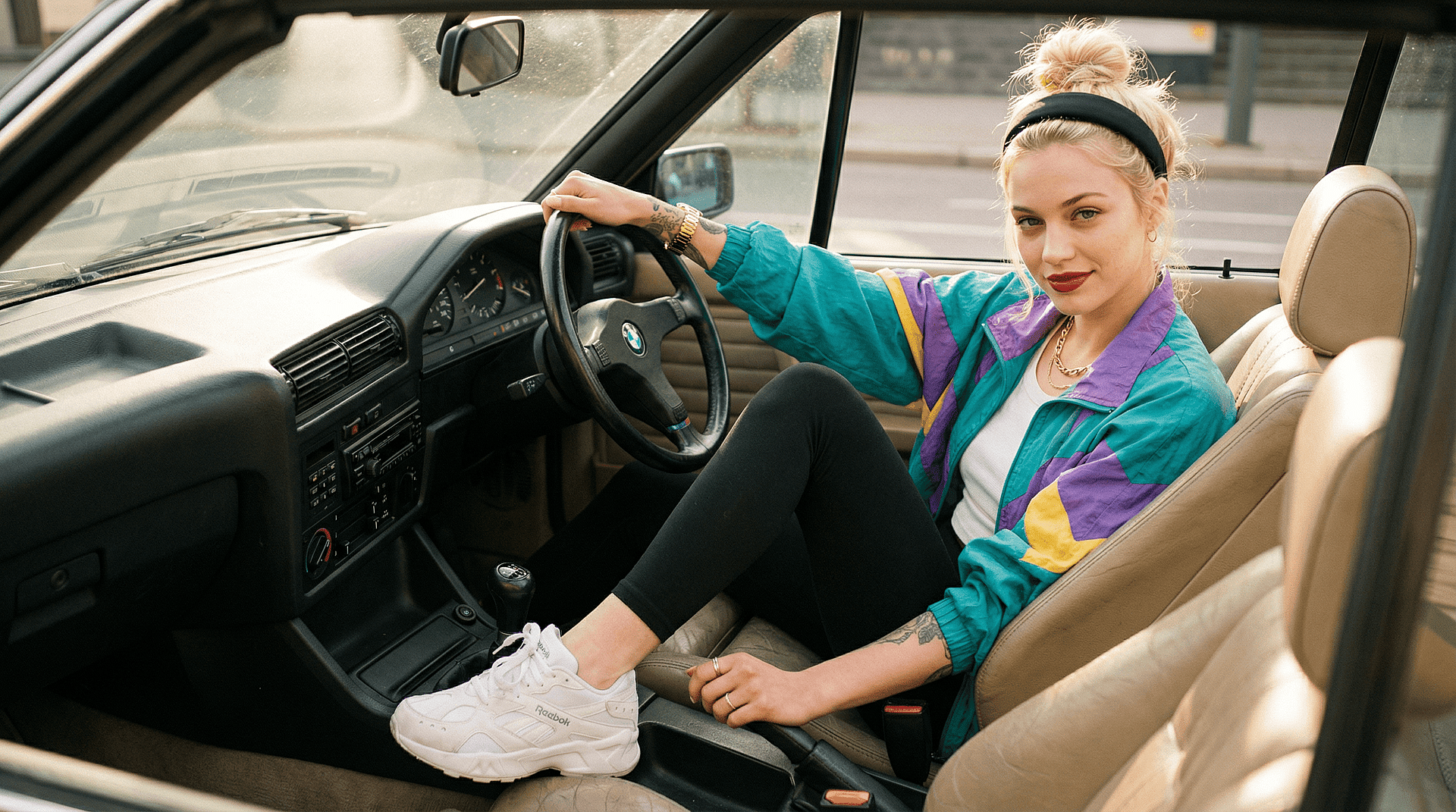
AI video generation is moving fast, but most models still follow the same pattern: you write a prompt, generate a clip, and hope it turns out usable. WAN 2.7 changes that dynamic.
Instead of focusing only on better visuals, WAN 2.7 introduces a more structured way to create and edit videos. It builds on the foundation of WAN 2.6 and shifts the experience toward something closer to a controllable video system rather than a one-shot generator.
WAN 2.7 vs WAN 2.6: What Actually Changed
To understand WAN 2.7, it helps to look at what WAN 2.6 already solved well.
WAN 2.6 established itself as a strong multimodal video model, capable of generating videos from text, images, and reference videos. It introduced multi-shot storytelling, improved motion quality, and better audio-visual synchronization, making it one of the first models usable for more structured, cinematic outputs.
But it still largely followed a generation-first workflow.
WAN 2.7 builds on this by introducing control and editing directly into the generation process.
The most important upgrades include:
- Start–end frame control, allowing users to define how a video begins and ends instead of relying entirely on the model
- 9-grid image-to-video generation, enabling structured scene composition using multiple reference images
- Video continuation, which removes abrupt endings and allows segment-level extension
- Subject + voice reference control, combining image, video, and audio inputs for stronger identity consistency
- Instruction-based editing, making it possible to modify videos using text prompts
- Temporal feature transfer, which allows motion, camera movement, and style to be applied from one video to another
Alongside these features, WAN 2.7 also improves core output quality, including sharper visuals, smoother motion, and better consistency across frames.
The key difference is not just better results. It’s that WAN 2.7 reduces the need to jump between multiple tools by combining generation, control, and editing into one workflow.
WAN 2.7 vs Other AI Video Models
In the broader market, WAN 2.7 sits alongside models like Runway Gen-2, Pika Labs, and OpenAI.
Most of these models are strong at generating short clips from prompts, with improving realism and motion quality. However, they often rely on external tools or repeated generations to refine results.
WAN models, especially since WAN 2.6, have taken a slightly different approach.
WAN 2.6 already stood out for:
- Multi-shot video generation
- Reference video input for motion and identity
- Built-in audio synchronization
WAN 2.7 extends this further by focusing on workflow control rather than just generation quality.
Compared to competitors:
- Where many tools focus on prompt → output, WAN 2.7 emphasizes reference → control → refinement
- Where others generate clips in isolation, WAN 2.7 introduces continuation and segment-based workflows
- Where editing typically happens outside the model, WAN 2.7 brings editing inside the generation pipeline
This makes it particularly suited for creators who need consistency, iteration, and repeatability rather than one-off outputs.
Best Use Cases for WAN 2.7
Because of its control-focused design, WAN 2.7 is best used in workflows where consistency and iteration matter.
Character-driven content
With support for real-person inputs and multi-reference conditioning, WAN 2.7 can maintain consistent characters across scenes. This makes it useful for AI influencers, storytelling, and branded content.
Short-form marketing videos
The ability to generate 2–15 second clips with controlled motion and continuity makes it ideal for ads, product videos, and social content that require polish without heavy post-production.
Iterative creative workflows
Instruction-based editing allows creators to refine outputs without starting over. This is especially useful for teams experimenting with variations of the same concept.
Motion and style transfer
Temporal feature transfer enables applying camera movement, effects, or style from one video to another. This opens up new possibilities for recreating cinematic styles or maintaining visual consistency across projects.
Storyboarding and pre-visualization
Start–end frame control and multi-image inputs make WAN 2.7 useful for planning scenes before full production, especially in creative and media workflows.
Try WAN 2.7 on OpenArt
WAN 2.7 is now available on OpenArt with a full set of integrated capabilities designed for real workflows.
You can generate videos using:
- Text to Video
- Image to Video
- Reference to Video
- Video Editing
The model supports real-person image inputs, up to five combined references across image and video, and motion durations ranging from 2 to 15 seconds depending on the mode. It also delivers up to 1080p video output for production-ready results.
More importantly, OpenArt brings together the full WAN 2.7 system in one place. You can start from a prompt, guide the output using references, refine it with instructions, and extend it through continuation without leaving the workflow.
If you’re looking for more than just a video generator — something you can actually direct, iterate, and control — this is where WAN 2.7 starts to make a real difference.
Try WAN 2.7 on OpenArt and see what a controllable AI video workflow looks like.