

 ChatGPT
 Perplexity
 Claude
 Gemini
Over the last few years, the barrier to creating compelling visuals has gotten lower and lower, but that only means taste, editing, and a discerning eye are the real differentiators. The brands keeping up are doing what they've always done, regardless of the source of disruption: they maintain a strong visual voice.
The new visual landscape
Generative AI has handed every brand a megaphone; while most are using it to shout louder, the smarter ones are using it to speak more clearly. And that's created a paradox. There's more visual content being produced than at any point in history, and somehow less of it is recognizable. More polish, less identity. More volume, less voice.
Scroll through any feed right now and you'll see what that looks like. Fantasy landscapes. Sleek product mockups. Perfect lifestyle shots. Almost none of it sticks, because almost none of it has a point of view behind it. The visuals are polished, but there's no voice holding them together, no through line that tells you who made this and why it matters.
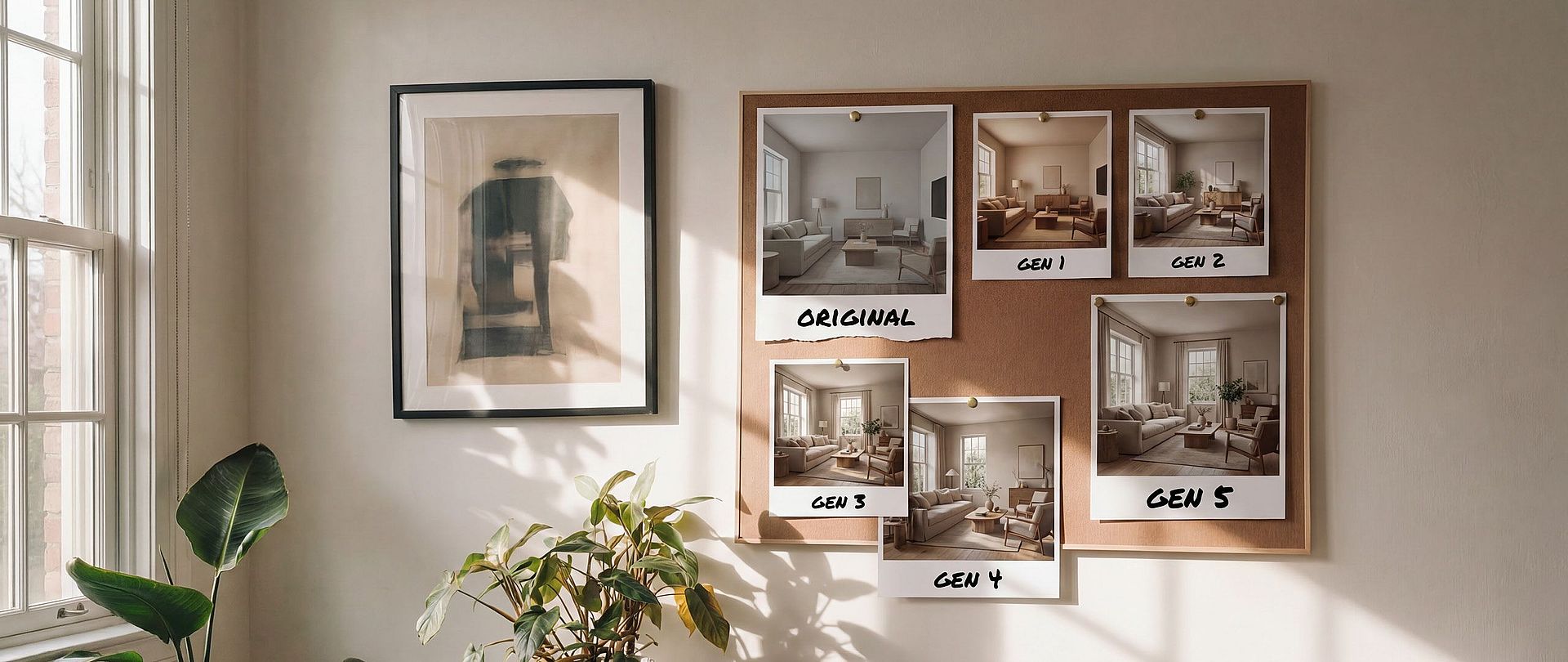
Building a visual brand has always meant assembling a team: photographers, designers, studios, post-production. That's still how a lot of brands work, and for plenty of them it always will be. For others, generative AI has started showing up as another tool in the toolbox, sitting alongside the photoshoots and the design systems rather than replacing them. And for the brands leaning into it, the workflow looks different in places. A single person with a clear vision can generate polished, professional-looking imagery in an afternoon, and the friction between an idea and a finished image has never been lower.
But the tools aren't doing the creative work. They never were, and they still aren't. The creator, the storyteller, the brand visionary is still the one making the calls, just as they always have. The difference now is how easy it is to mistake the tool for the craft.
For years, quality was the differentiator. A brand that could afford beautiful photography or sharp design had a built-in edge, and consumers noticed. Now quality is table stakes. AI tools have democratized access to "good-looking," which means the definition of standing out has fundamentally shifted. What cuts through isn't polish anymore. It's personality. Think about the brands you recognize instantly. Not because their logo is big, but because their visual language is so consistent and distinct that you'd know them anywhere. A specific palette. A recurring motif. A mood that feels like them and nothing else.
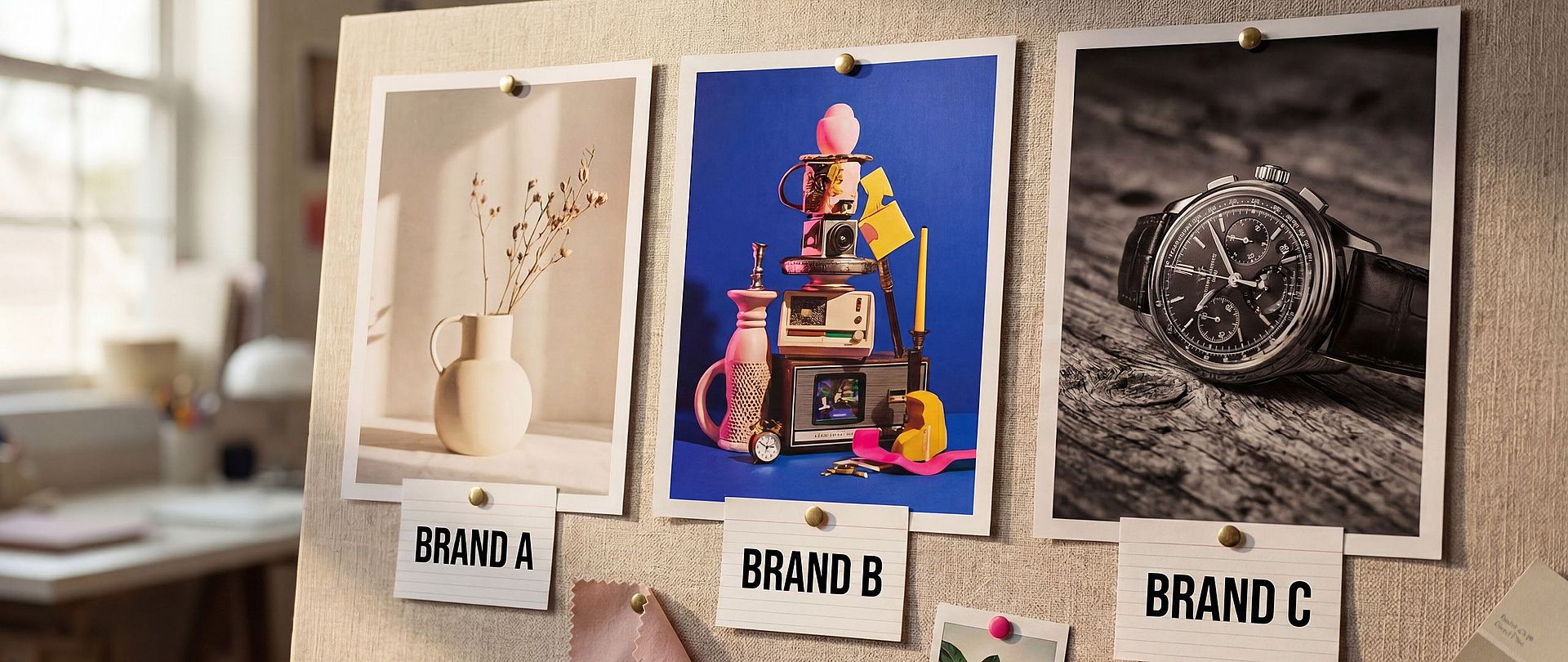
That's a visual voice, and it's more than a style guide. It's not a color palette document living in a Notion folder no one reads.
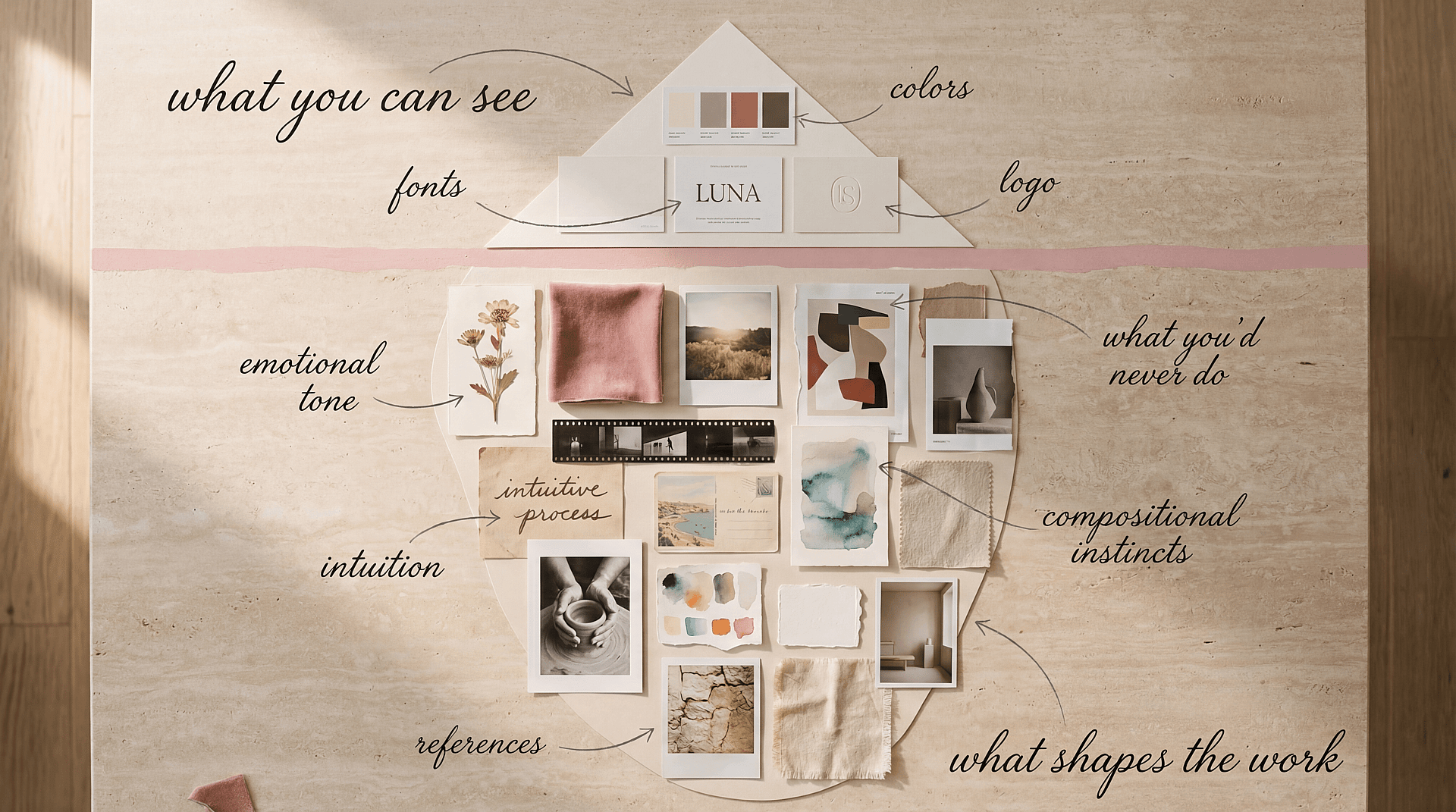 It's a set of decisions, made deliberately and repeated consistently, about how your brand shows up visually across every touchpoint. What subjects you gravitate toward. How you use light, color, and composition. What emotions your imagery evokes. What you never, ever look like. Strong visual voices are almost impossible to fake, because they're built through consistency over time rather than generated in a single session.
AI is a multiplier, but only if you have something to multiply
Here's the opportunity worth paying attention to: AI tools don't replace visual identity. They amplify it.
A brand that knows who it is, what its mood and aesthetic and core visual instincts are, can use AI to generate more content, faster, without drifting. Every output feels like them because they've given the tools something real to work with. Consistent prompts, consistent style references, consistent creative direction.
A brand without that foundation gets a different result. AI just generates more noise, more volume of the same generic output everyone else is producing.
The brands winning in this moment aren't the ones generating the most. They're the ones generating consistently on-brand, using AI as a force multiplier for a clear creative vision rather than a substitute for one.
How to start building your visual voice
You don't need a rebrand. You need intentionality.

1. Audit what you already have. Pull together your last 30 to 50 pieces of visual content and look for patterns. What do you gravitate toward? What feels off-brand in hindsight? Your existing work is a map of your instincts, and most brands haven't read theirs closely.
2. Define the feeling before the aesthetic. Before you pick colors or styles, name the emotion you want your visuals to produce. Confidence, wonder, warmth, precision. The feeling comes first, and the aesthetic follows from it.
3. Create a reference set, not a rulebook. Collect 10 to 20 images, your own or others', that feel undeniably you. Use them as a creative north star rather than a template. The goal is to develop taste, not to copy.
4. Use AI with intention. When you generate, bring your reference set into the process. Test styles against your references and iterate toward consistency. Treat every generation as a chance to learn what fits your voice and what doesn't.
5. Protect it. Visual voice erodes under pressure, when deadlines hit, when trends tempt you, when someone says "let's just generate something fast." The brands with the strongest visual identities are the ones that say no to off-brand content, even when it would have been easy to ship.
The brands that get this right are building now
The visual internet is going to get noisier before it gets quieter. The brands that will thrive through that noise, and the ones that will survive it, are the ones building a distinct, consistent visual identity right now, while everyone else is still figuring out the tools.
Your visual voice is an asset, and it compounds over time. The sooner you start treating it with the same intentionality you bring to your product, your messaging, and your customer experience, the harder it becomes for anyone else to replicate what makes you recognizable.
That's what OpenArt is built to help with. Our Suite gives brands and creative teams the tools to develop, test, and maintain a visual identity across AI-generated images, video, and beyond, so that every piece of content you put into the world sounds like you, no matter which model made it or how fast you needed to move.