
AI influencers are no longer experimental side projects. They are fully-fledged content engines, attracting millions of views, building loyal audiences, and generating real revenue through brand deals and partnerships.
Creators behind accounts like Lil Miquela and Aitana López have shown that you don’t need a human face to build influence. What you need is consistency, a clear identity, and the ability to produce content at scale.
This is where modern tools like OpenArt's AI influencer generator change the equation. Instead of stitching together multiple tools, you can build, animate, and scale an AI influencer inside a single workflow.
Key Takeaways
- AI influencers succeed because they combine consistency with high-volume content
- Character identity matters more than visual perfection
- Video and voice are what turn a static character into a “real” personality
- Growth comes from systems, not one-off viral posts
- Tools like OpenArt make the entire process faster and more controllable
What Makes an AI Influencer Work
To understand why AI influencers are exploding right now, you need to understand one idea from the American entrepreneur Gary Vaynerchuk:
We are no longer in the “social media” era. We are in the “interest media” era.
At a glance, AI influencers look like a technical achievement. In reality, they are a content strategy.
The reason accounts like Aitana López work is not because of hyper-realistic visuals alone. It’s because they feel like people. They have opinions, stories, and a recognizable identity that shows up consistently across posts.
That consistency is what builds familiarity. And familiarity is what builds audience trust.
Most AI-generated accounts fail because they treat content like isolated outputs. One post looks different from the next, the face subtly changes, and the illusion breaks. What you need instead is a system where your influencer feels like the same person every time they appear.
Step 1: Define Your Influencer Before You Create It
Before generating anything, you need clarity on who this influencer is.
Think of it less like prompting an image and more like casting a character. What niche do they belong to? What kind of content do they post? Who are they speaking to?
An AI fashion influencer will behave very differently from a fitness creator or a tech personality. Even subtle decisions, like whether the tone is aspirational or relatable, will shape how your content performs.
This step is often skipped, but it determines everything that comes after. Without it, you end up generating visuals without direction.
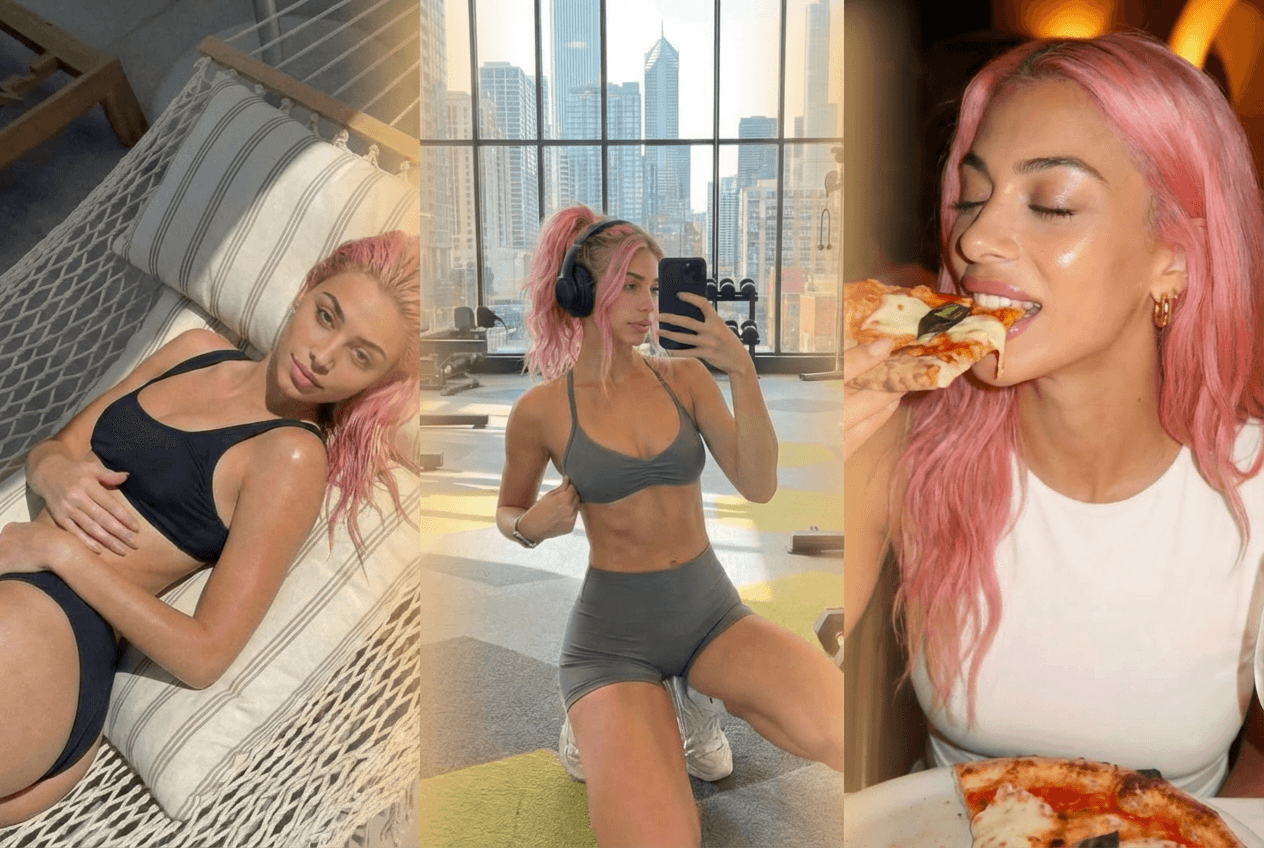
For example, Aitana López is a lifestyle influencer who documents her fitness, glamour shoots, travels, and event appearances.
Step 2: Create a Consistent Character Identity
This is the most important technical step, and also where most workflows break down. If your influencer’s face changes across posts, the account won’t grow. People follow identities, not visuals.
Using OpenArt, you can build a base character and reuse it across different generations. Instead of starting from scratch every time, you anchor your outputs to a consistent reference.
A simple approach works best here. Generate multiple variations of your character, select the one that feels most stable, and then reuse it as your foundation. From there, you can change outfits, environments, and poses without losing identity. Over time, this turns your influencer into something recognizable rather than replaceable.
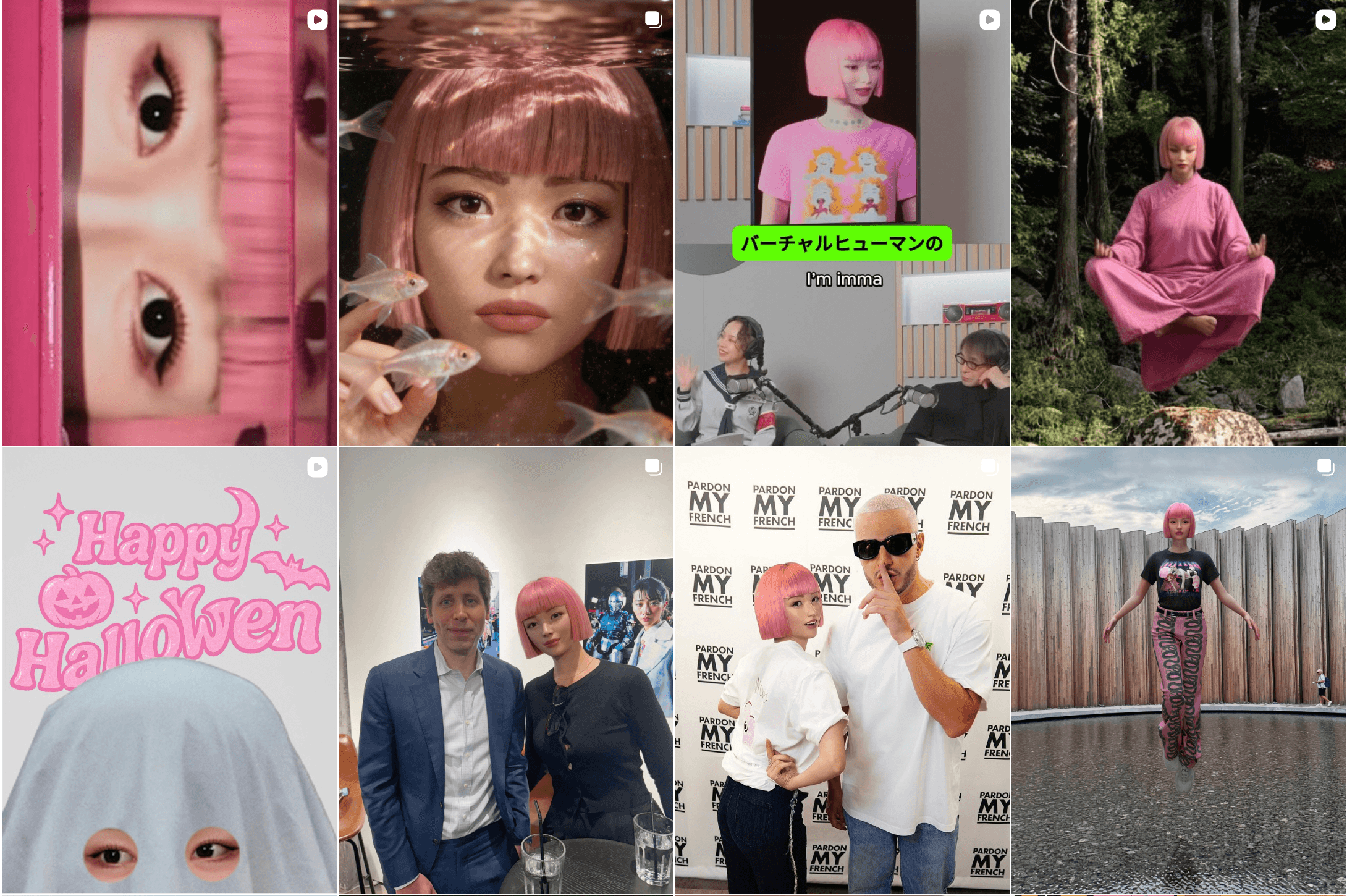
Imma is a great example of AI influencer done right when it comes to character consistency. Take a look at her Instagram grid to see what we mean:
Step 3: Build a Repeatable Content System
Once your character is defined, the focus shifts from creation to production.
Successful AI influencers are not built on single posts. They are built on volume and consistency. This means thinking in terms of content categories rather than individual ideas.
Instead of asking “what should I post today,” you define a structure. For example, your influencer might rotate between lifestyle moments, close-up portraits, and trend-driven content. This creates a rhythm that audiences can recognize.
With OpenArt, you can generate multiple variations of the same character in different settings quickly. This allows you to produce days or even weeks of content in one session, without sacrificing consistency.
The result is not just more content, but more predictable growth.
Step 4: Move Beyond Images Into Video
Static images can get attention, but video is what drives reach.
Short-form video dominates platforms like Instagram and TikTok, and AI influencers are no exception. The moment your character starts moving, reacting, and existing in time, it becomes significantly more engaging.
OpenArt’s integrated video capabilities allow you to take your existing character and extend it into motion. You can create simple clips, narrative sequences, or even talking-style videos that feel native to social platforms. This is the point where your influencer stops feeling like a concept and starts feeling like a presence.
Step 5: Add Voice and Personality
Visuals alone are not enough to build a following. What makes people stay is personality. By adding voice, narration, or even simple text-driven storytelling, you give your influencer something to say.
This could be as simple as daily routines, opinions, or short-form storytelling content. The goal is not complexity. It is consistency in tone and perspective.
Accounts like Aitana López succeed because they maintain a clear identity across every piece of content. The visuals support that identity, but the personality is what makes it memorable.
Step 6: Grow With Intent, Not Luck
Growth on social media is often misunderstood as randomness. In reality, it is driven by repetition and refinement.
Posting consistently increases your surface area for discovery. Recreating trends allows your content to plug into existing attention streams. Over time, patterns emerge, and you can double down on what works.
What makes AI influencers powerful is that this process can happen faster. You are not limited by production constraints, which means you can test more ideas in less time.
That speed becomes a competitive advantage.
Step 7: Turn Attention Into Revenue
Once your influencer gains traction, monetization becomes straightforward. Brands are already working with virtual creators for sponsored posts, product placements, and UGC-style ads.
In many cases, AI influencers are more flexible than human creators because they can be adapted to different campaigns instantly.
There is also room for affiliate marketing and content licensing, especially if your visuals align with specific niches like fashion or lifestyle.
How OpenArt Changes the Workflow
The biggest challenge in building an AI influencer is not generating content. It is maintaining consistency across that content while scaling output.
OpenArt addresses this directly by combining character creation, image generation, video production, and voice into a single system. Instead of juggling tools and losing continuity, you can manage everything in one place.
This shifts the process from experimentation to production. You are no longer trying to generate something that works. You are building something that can grow.